
Plastic waste especially PET (polyethylene terephthalate) bottles has become a growing environmental challenge in Pakistan. With millions of bottles discarded daily, the burden on landfills, waterways, and urban infrastructure is increasing. In response, leading Pakistani industries are adopting innovative recycling and reuse technologies, turning plastic waste into valuable resources. Among the frontrunners is Fatima Fertilizer, which has initiated the use of recycled PET bottles for road-making at its plant sites—an initiative aligned with global circular economy and green manufacturing practices.
PET Bottles: From Waste to Road-Building Material
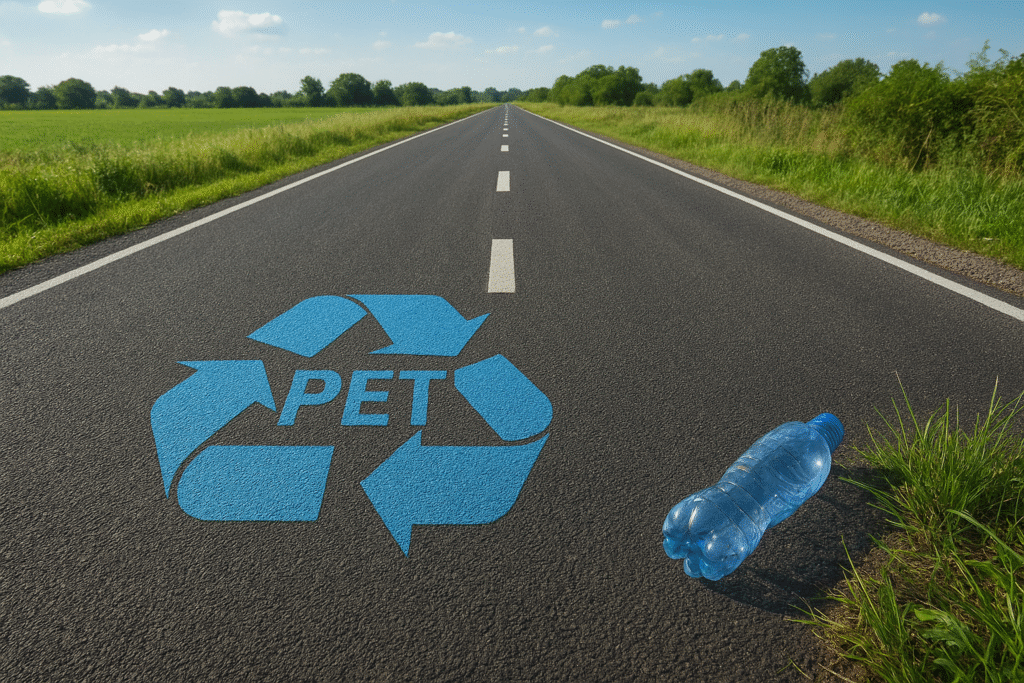
PET bottles are strong, lightweight, and widely used in beverages. Traditionally, they end up in landfills or as litter. However, advancements in materials engineering have introduced a new pathway: using shredded PET as a modifier in asphalt mixes.
When mixed into road-making bitumen:
- PET increases strength, stability, and durability of roads
- Roads become more resistant to water and heat damage
- The reuse of plastic waste reduces environmental impact and landfill load
- Roads require less maintenance over their lifecycle
This win-win solution converts plastic pollution into long-lasting infrastructure.
Fatima Fertilizer’s PET Recycling Initiative for Road Making
Fatima Fertilizer, one of Pakistan’s leading agribusiness and chemical manufacturers, has started integrating recycled PET plastics into road construction at selected plant locations. The initiative involves:
✅ Collection of Used PET Bottles
Fatima has organized PET waste collection from:
- Plant cafeterias
- Housing colonies
- Employee community programs
✅ Shredding and Processing
The collected PET is washed, shredded, and prepared for mixing with bitumen.
✅ Pilot Road Construction at Plant Sites
Sections of internal plant roads are being built using PET-modified asphalt. Early results show:
- Greater resistance to surface cracks
- Reduced pothole formation
- Lower maintenance costs over time
✅ Alignment With Sustainability Goals
This initiative is part of the company’s:
- Green Office practices
- Waste minimization targets
- Corporate environmental responsibility agenda
Fatima’s efforts demonstrate how industrial players can adopt circular economy pathways without compromising operational efficiency. Read Further
Other Pakistani Industries Adopting PET Recycling Initiatives
Pakistan’s industrial shift toward sustainability is gaining momentum. Several organizations across various sectors have launched PET recycling or plastic-waste utilization programs.
1. Coca-Cola Pakistan – Plastic Road Projects
Coca-Cola has successfully partnered with civil institutions to develop plastic roads in Islamabad and Lahore using recycled PET and multi-layer plastics. This project demonstrates:
- Improved road lifespan
- Lower carbon footprint
- Cleaner urban environments
2. Nestlé Pakistan – “Project ROAG” and Bottle Collection Drives
Nestlé runs:
- Community PET collection centers
- Reverse vending machines at select locations
- Awareness campaigns on segregating plastic waste
Nestlé also supports Responsible Ocean, Air, Ground (ROAG) programs, promoting responsible plastic lifecycle management.
3. Engro Corporation – Plastic Recycling & Circular Packaging
Engro has adopted:
- Large-scale plastic collection drives
- Research on converting plastic waste into industrial fuel
- Collaborative programs to improve recycling infrastructure
4. FFC (Fauji Fertilizer Company) – Solid Waste Management
FFC has improved:
- Plastic waste segregation at plant sites
- Reuse pathways inside the colony and plant operations
- Support for local recyclers to convert PET into reusable pellets
While not yet formally entering asphalt road-making using PET, FFC has shown interest in sustainable waste solutions.
5. Local Startups and NGOs
Organizations like Green Earth Recycling, TrashIt, and Waste Busters are actively:
- Collecting PET bottles from cities
- Producing recycled pellets
- Partnering with industries for eco-friendly disposals
Their contribution is making Pakistan’s urban ecosystem cleaner and greener.
Environmental Impact and Green Agenda Alignment
Recycling PET bottles for road construction directly supports the UN Sustainable Development Goals (SDGs) and Pakistan’s National Climate Change Policy.
🌿 Environmental Benefits
- Reduction in plastic pollution: Every kilometer of PET-modified road reuses thousands of discarded bottles.
- Lower carbon emissions: Recycled PET replaces some portion of bitumen, reducing fossil fuel dependence.
- Less waste to landfills: Extends landfill lifespan and reduces soil contamination.
- More durable roads: Reduces the carbon footprint of frequent repairs and material use.
🌍 Corporate Benefits
Companies like Fatima Fertilizer benefit through:
- Enhanced sustainability branding
- Reduced operational waste
- Alignment with global ESG frameworks
- Cost-effective long-term infrastructure
Pakistan’s transition towards sustainable industrial practices is gaining strength. With Fatima Fertilizer pioneering PET-based road construction at its sites alongside major contributors such as Coca-Cola, Nestlé, Engro, and FFC the country is embracing innovative solutions to plastic waste.
These initiatives prove that industrial growth and environmental protection can go hand in hand. PET recycling for road making is not just an engineering advancement; it is a national step toward a cleaner, greener, circular economy.