Solar Boom in Pakistan:Benefits & Challenges

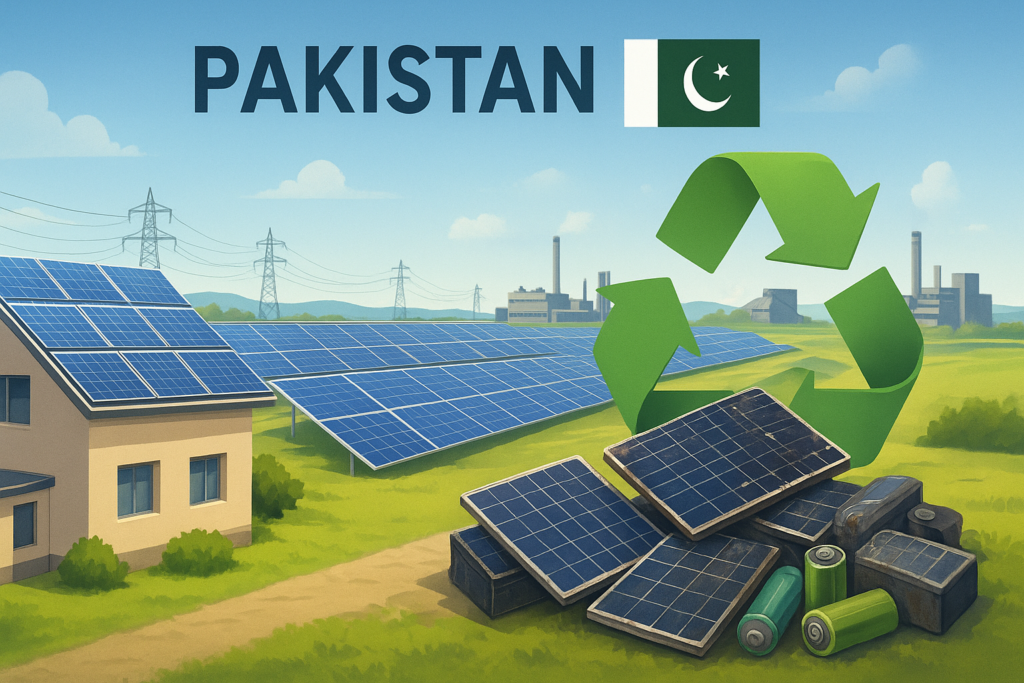
Pakistan is experiencing a rapid solar energy boom, largely driven by affordable Chinese solar panels and rising electricity tariffs. Rooftop solar systems, solar tube-wells, and commercial installations have expanded quickly across homes, industries, and agriculture. Why Solar Is Growing Fast This shift supports clean energy goals and reduces reliance on imported fossil fuels. 🔗 https://www.iea.org/topics/solar🔗
Read More

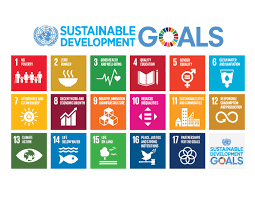
UN SDGs: Role of Pakistani Corporates

The United Nations Sustainable Development Goals (UN SDGs) are 17 global goals adopted in 2015 under the 2030 Agenda for Sustainable Development.They aim to end poverty, protect the environment, and ensure economic growth and social well-being for all. These goals guide governments, businesses, and communities worldwide toward a more sustainable, inclusive, and resilient future. 🔗
Read More

NineSigma’s Drive for Open Innovation

What is Open Innovation-and How NineSigma Drives It for Green Progress Open innovation refers to a strategy in which companies break down the walls around their R&D and actively tap external ideas, furthermore Open Innovation Ideas, knowledge, and technologies from startups, universities, research labs, or even independent inventors instead of relying solely on in-house development.
Read More

Corporate Farming & Waste Recycling for Better Yields

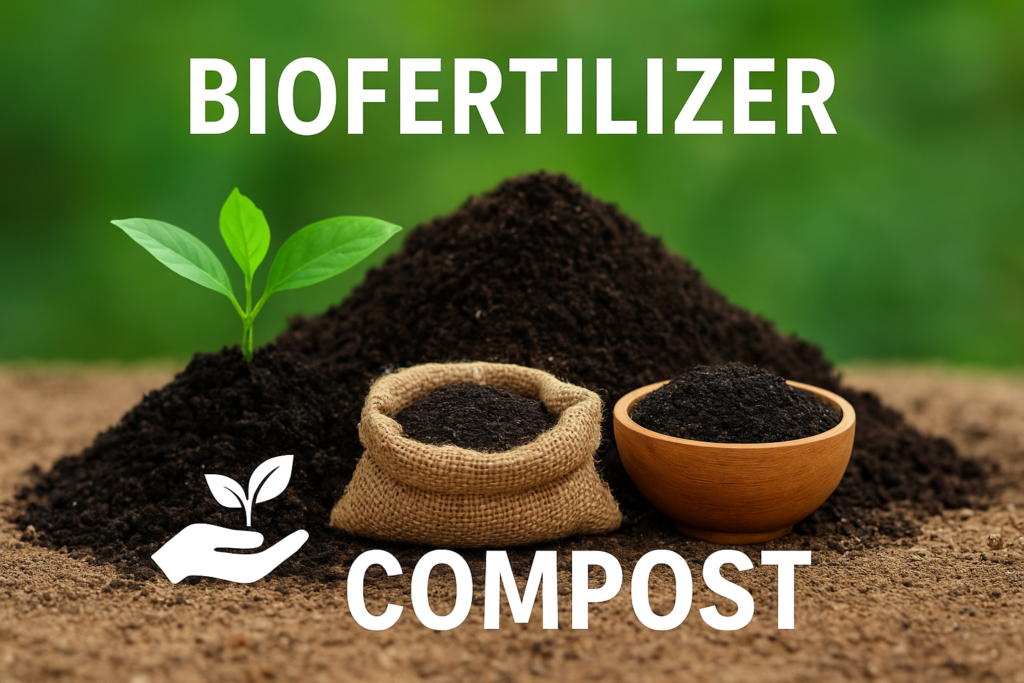
Pakistan’s agriculture is shifting toward sustainability, efficiency, and large-scale structured farm management. Corporate farming is emerging as a powerful model that can transform how the country uses biofertilizers, municipal waste, micronutrients, and under-grade fertilizer streams. Traditionally, many of these nutrient sources go unused or are treated as waste. But through corporate farming, they can be
Read More

PET Bottle Recycling, Circular Economy Agenda

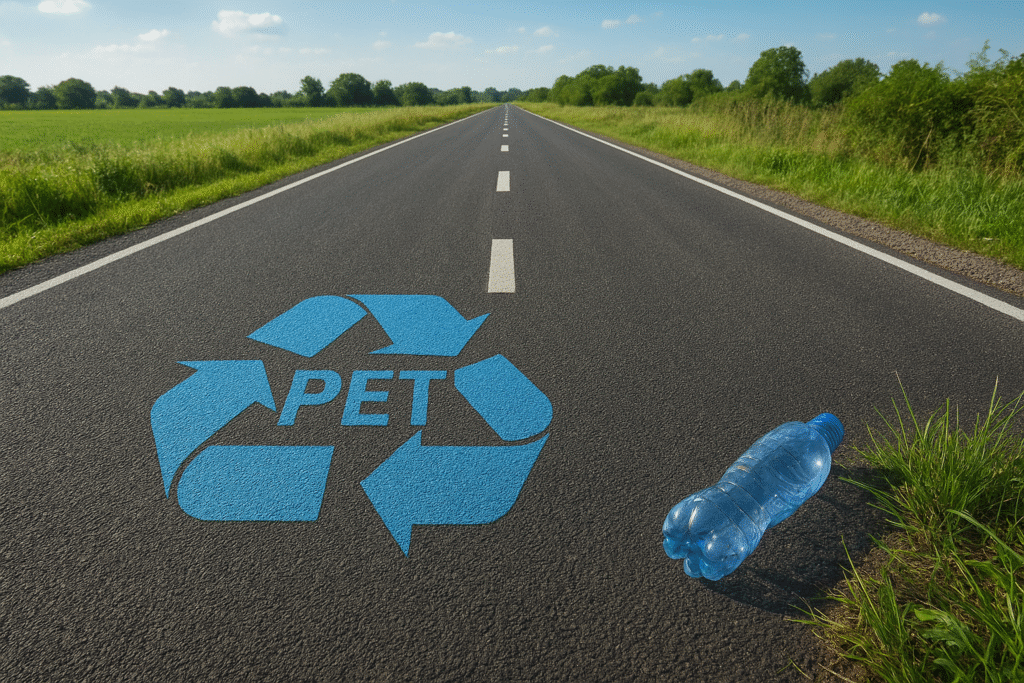
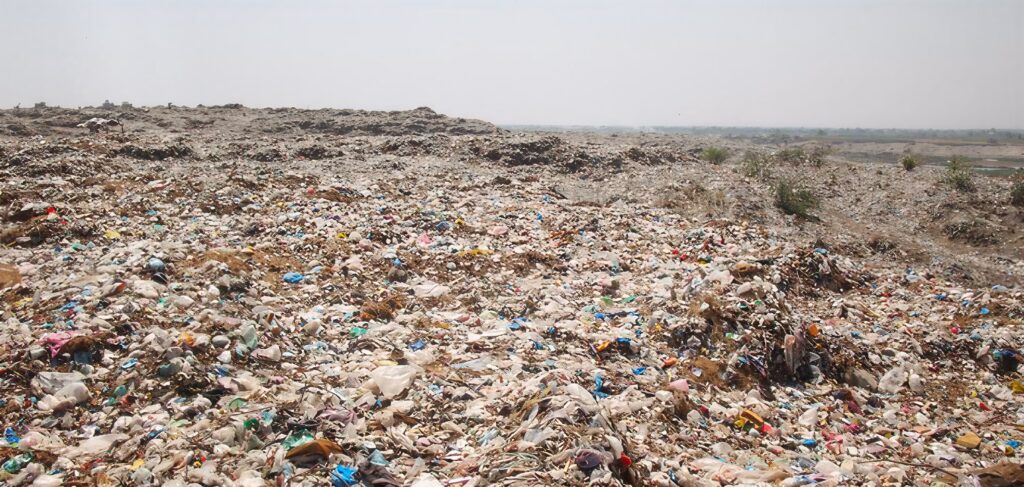
Plastic waste especially PET (polyethylene terephthalate) bottles has become a growing environmental challenge in Pakistan. With millions of bottles discarded daily, the burden on landfills, waterways, and urban infrastructure is increasing. In response, leading Pakistani industries are adopting innovative recycling and reuse technologies, turning plastic waste into valuable resources. Among the frontrunners is Fatima Fertilizer,
Read More

Pakistan’s Suthra Punjab Waste Reform Sets New Standard

For decades, Punjab home to more than 130 million people struggled with one of the largest waste crises in South Asia. Nearly 70 million rural residents across 25,000 villages had no formal waste collection. Even major cities received partial or inconsistent service. Garbage piled up in streets, fields, riverbanks, and drainage channels, reflecting 75 years
Read More

Rock Phosphate Beneficiation: Technology, Local Potential & Industry Outlook

Rock phosphate remains the backbone of global fertilizer production, supplying the phosphorus needed for DAP, NP, NPK, and phosphoric acid manufacturing. With Pakistan’s growing dependence on imported rock phosphate from Morocco, Egypt, and Algeria, the discovery of new local deposits in Abbottabad has renewed national interest in beneficiation, upgrading, and potential export of indigenous ore.
Read More

CDM and NOₓ Abatement Systems

CDM and NOₓ Abatement: Key Technologies & Global Leaders Reducing nitrogen oxides (NOₓ) has become a priority for industries working under Clean Development Mechanism (CDM) frameworks and modern environmental regulations. NOₓ emissions from power plants, chemical industries, and combustion processes contribute to smog, acid rain, and climate-forcing pollutants. Technologies that cut NOₓ not only improve
Read More

Mining Industry: Tailings Mangement

Mining Tailings are the finely ground rock, process water and chemical residues left after valuable minerals are extracted from ore. Managed poorly, tailings can cause catastrophic dam failures, long-term pollution of water and soil, and severe harm to communities and ecosystems. Today’s industry approach to tailings is built around three linked goals: protect people, protect
Read More