
Introduction: A New Face of Wildlife Conservation in Pakistan
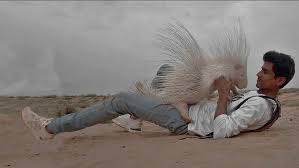
In a country where wildlife conservation often struggles for attention and resources, one young man from the outskirts of the Cholistan Desert has emerged as an unlikely hero. Abdul Rehman, popularly known as “Venom Boy,” has become a viral wildlife rescuer, educator, and advocate. Through his fearless work with snakes, desert mammals, and endangered species, he has inspired millions across Pakistan and beyond.
From humble beginnings to becoming a recognized name in Pakistan’s wildlife community, Abdul Rehman’s story reflects resilience, passion, and a lifelong commitment to saving animals that most people fear.
Early Life in the Cholistan Desert: Where Passion Was Born
Abdul Rehman grew up in Mandi Yazman, Bahawalpur, a region bordering the vast and unforgiving Cholistan Desert. Life in this area is closely connected to nature—scorpions, snakes, reptiles, and desert mammals coexist with rural communities. From a young age, Abdul developed a fascination for animals that others tried to avoid.
While many children kept their distance from dangerous creatures, Abdul observed them closely, studying their behavior and learning how to interact calmly. Despite having no formal wildlife education, he learned through experience, the wisdom of elders, and countless hours spent wandering the desert landscape.
Rise to Social Media Fame: Educating Millions Through Real Encounters
Abdul Rehman’s rise to fame began when he started sharing rescue missions and wildlife awareness videos on platforms like Facebook, YouTube, and TikTok. His calm handling of venomous snakes, along with his ability to educate viewers through real-life encounters, quickly earned him millions of views.
His videos serve a dual purpose—rescuing animals from harm and teaching communities why these species are vital for the ecosystem. By breaking myths and reducing fear, he is helping people understand the role of predators, especially snakes, in balancing nature.
Wildlife Rescue Work: Protecting Animals and Communities
Abdul Rehman has rescued thousands of snakes, reptiles, and desert creatures from villages, farms, and residential areas. Instead of killing the animals—an unfortunate common reaction—he safely relocates them to far-off habitats where they can thrive without posing danger to people.
His approach is humane and rooted in ecological balance. Every animal he rescues reinforces his mission to reduce conflict between humans and wildlife, especially in remote desert regions where both share living spaces.
Advocacy and Awareness: Changing Perceptions About Wildlife
Abdul’s most powerful contribution is his educational outreach. Through storytelling, hands-on demonstrations, and online content, he teaches people how to behave during wildlife encounters, why certain animals become aggressive, and why killing them damages the environment.
His work is not just about handling animals—it is about building a culture of respect for wildlife in Pakistan. By encouraging safe coexistence, he is shaping a new generation that values conservation and ecological understanding.
A Voice for Desert Wildlife in Pakistan
The Cholistan Desert is home to unique and endangered species, yet the voices advocating for their protection are few. Abdul Rehman has become a leading voice for these silent creatures. His videos highlight the struggles, beauty, and ecological importance of desert wildlife—raising awareness at a national level.
Through his efforts, more people now understand that wildlife conservation is not just a government responsibility; it is a shared duty for all citizens.
Conclusion: A Young Conservationist Inspiring a Cleaner, Safer, and More Aware Pakistan
Abdul Rehman, the “Venom Boy” from Cholistan, represents a new wave of passionate Pakistani conservationists who are changing the narrative around wildlife. Through courage, compassion, and education, he continues to rescue animals, reduce fear, and inspire millions.
His journey is a reminder that one person—with knowledge, bravery, and dedication—can create national impact. Abdul Rehman’s work not only protects animals but also strengthens Pakistan’s environmental future for generations to come.