
Learn how Sodium Hexametaphosphate (SHMP) works in evaporative room coolers, its safety risks, environmental impact, and safe home usage tips.
As summer temperatures rise, many homeowners search for affordable ways to improve evaporative room cooler performance and reduce scale buildup.
One commonly discussed chemical is Sodium Hexametaphosphate (SHMP). While SHMP is widely used in industrial water treatment systems, many people now wonder whether it is safe to use inside household air coolers.
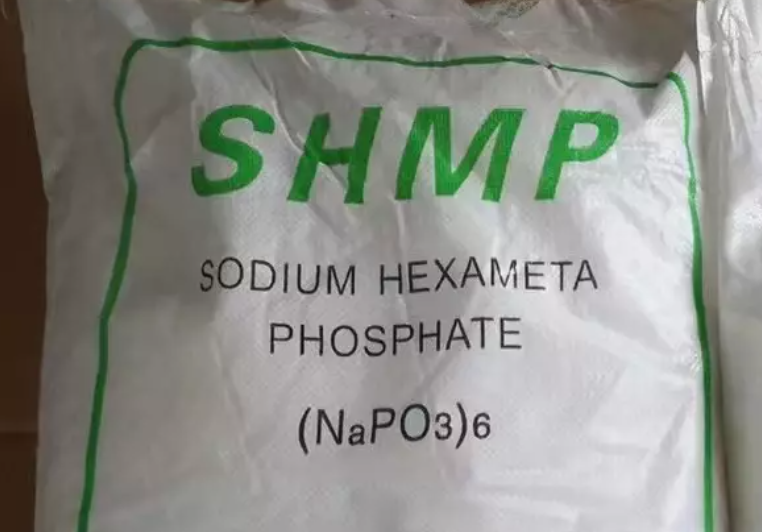
The good news is that SHMP can be safe at low concentrations when handled properly. However, incorrect use may create indoor air quality, cleanliness, and environmental concerns. Therefore, understanding the basics is important before adding any chemical to a home cooling system.
What is Sodium Hexametaphosphate (SHMP) and its use in Evaporative cooling system?
Sodium Hexametaphosphate, commonly called SHMP, is a phosphate-based chemical used in:
- Cooling water treatment
- Scale prevention
- Food processing
- Industrial cleaning systems
In Evaporative cooling systems, SHMP helps reduce mineral scaling caused by hard water. As a result, water pumps, cooling pads, and pipes remain cleaner for longer periods.
Interestingly, SHMP is also approved in small quantities as a food additive in products like cheese, canned milk, and syrups. However, industrial-grade SHMP is different from food-grade material and should never be consumed directly.
Why People Use SHMP in Evaporative Room Coolers
In many regions with hard water, room coolers quickly develop:
- White mineral deposits
- Blocked water distribution lines
- Reduced cooling efficiency
- Hard scale on cooling pads
Because of this, some users add SHMP to cooler water tanks to help soften mineral buildup.
When used correctly, SHMP may:
- Reduce scaling
- Improve water circulation
- Extend pump life
- Help cooling pads stay cleaner
However, dosage control is extremely important.
The Biggest Safety Concern: Evaporative Water Mist
The most important issue is not evaporation; it is airborne water mist.
Pure water evaporates as invisible vapor. However, fast cooler fans may throw tiny droplets of water into the room air. If the cooler water contains excessive SHMP, these droplets can carry dissolved chemicals into indoor spaces.
Possible Problems
Overdosing SHMP may cause:
- Sneezing
- Coughing
- Throat irritation
- Dusty indoor residue
Fortunately, this risk can be minimized easily.
The Safer Method
Instead of pouring raw powder directly into the tank:
- Use a slow-dissolve dispenser
- Keep concentrations low
- Avoid oversaturating the water
For example, small perforated containers or passive dissolving cartridges work better than loose chemical dosing.
As a result, indoor air remains cleaner and safer.
Evaporative Room Coolers; Why White Powder Appears on Furniture
Sometimes users notice a white film forming near the cooler.
This happens because airborne water droplets eventually dry and leave behind mineral or phosphate residue.
Although SHMP itself is not highly corrosive at low concentrations, excessive residue indicates:
- Overdosing
- Poor airflow design
- Excessive water spray from pads
Therefore, if residue appears:
- Reduce chemical dosage
- Improve pad condition
- Lower water saturation rates
A simple wet cloth is usually enough for cleaning surfaces.
Is SHMP Safe Around Food?
This is another common concern among homeowners.
Although food-grade SHMP is used in the food industry, technical-grade industrial SHMP may contain impurities. Therefore, room coolers using industrial chemicals should never directly face:
- Open kitchens
- Dining tables
- Drinking water containers
- Food preparation areas
Additionally, good room ventilation always helps reduce indoor airborne moisture.
Can SHMP Harm Your Skin?
At low diluted concentrations, cooler water is generally safe to touch.
However, raw SHMP powder is mildly alkaline. Repeated exposure may:
- Dry the skin
- Remove natural oils
- Cause irritation or cracking
Therefore, it is better to:
- Wear gloves during handling
- Wash hands after use
- Avoid direct contact with concentrated powder
This becomes especially important during weekly cooler cleaning.
Environmental Impact of SHMP
The environmental side of SHMP is often ignored.
When cooler tanks are drained weekly, phosphate-containing water enters soil or drainage systems. In small household quantities, this usually creates minimal concern.
However, large phosphate discharge into lakes or freshwater bodies may trigger:
- Algae blooms
- Oxygen depletion
- Harm to aquatic life
This process is called eutrophication.
A Better Practice
To reduce environmental impact:
- Avoid excessive chemical use
- Dispose of wastewater responsibly
- Do not dump directly into natural water bodies
Small controlled use is far safer than uncontrolled chemical dumping.
Understanding Evaporative Cooling Water Treatment Chemicals
SHMP is only one part of the larger cooling water treatment industry.
Large cooling towers in factories, shopping malls, and commercial buildings use many chemicals to control:
- Scale
- Corrosion
- Bacteria
- Algae growth
Some common cooling water treatment chemicals include:
- HEDP
- PBTC
- Polyacrylic Acid (PAA)
- Sodium Hypochlorite
- Benzalkonium Chloride
These chemicals help industrial cooling systems remain efficient while reducing maintenance costs and water losses.
However, industrial chemical programs are carefully monitored by water treatment specialists. Home users should never blindly copy industrial practices without understanding safe dosage limits.
Simple Tips for Home Evaporative Room Cooler Users
If you plan to use SHMP in a room cooler:
- Always use very small quantities
- Avoid direct powder dumping
- Use slow-dissolve methods
- Clean the tank weekly
- Watch for white indoor residue
- Keep ventilation adequate
- Never oversaturate the water
Most importantly, remember:
More chemical does not mean better cooling.
In fact, excessive dosing may reduce air quality and create unnecessary environmental risks.
Final Thoughts
Sodium Hexametaphosphate can help reduce hard water scaling in room coolers when used responsibly. However, safe use depends entirely on low concentration, controlled dosing, and proper ventilation.
For most homeowners, the safest approach is moderation. A carefully managed system may improve cooler cleanliness and water circulation without creating indoor air or environmental problems.
As sustainable cooling becomes more important worldwide, homeowners must balance comfort, safety, and environmental responsibility — even in small household systems.