
Pakistan’s agriculture is shifting toward sustainability, efficiency, and large-scale structured farm management. Corporate farming is emerging as a powerful model that can transform how the country uses biofertilizers, municipal waste, micronutrients, and under-grade fertilizer streams.
Traditionally, many of these nutrient sources go unused or are treated as waste. But through corporate farming, they can be transformed into certified, traceable, and safe agricultural inputs that improve soil health and reduce costs.
Why Corporate Farming Enables Better Nutrient Use
1. Centralized Processing
Large farms can develop composting hubs, biogas plants, nutrient-recovery units, and screening facilitiesturning waste into consistent, quality-controlled fertilizer products.
2. Traceability and Food Safety
Corporate farms can ensure batch testing, proper labeling, and compliance with Pakistan’s fertilizer regulations. This builds farmer confidence and protects end consumers.
3. Scalable Adoption
Corporate farms can test new biofertilizers, compost blends, and micronutrient programs on their own land before promoting them to contract farmers.
Waste-to-Nutrient Pathways That Work in Pakistan
✔ Biofertilizers
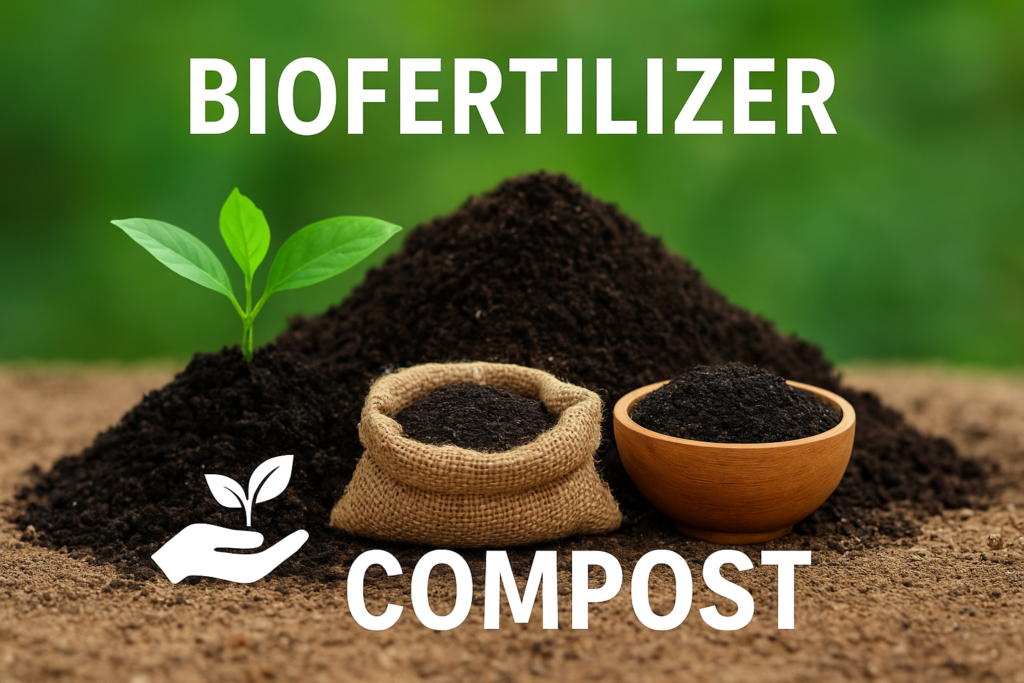
Improving nutrient uptake through rhizobia, PGPR, and mycorrhizae reducing reliance on synthetic NPK.
✔ Municipal Waste Composting
Segregated organic waste becomes screened, pathogen-free compost that boosts soil carbon and improves structure.
✔ Anaerobic Digestion & Digestate
Biogas plants generate energy while producing digestate—a nutrient-rich soil amendment when properly stabilized.
✔ Nutrient Recovery From Wastewater
Technologies like struvite precipitation can recover phosphorus and nitrogen safely.
✔ Reblending Under-Spec Fertilizers
Corporate farms can work with licensed manufacturers to upgrade or blend off-spec batches safely and legally.
✔ Soil-Test-Based Micronutrients
Zinc, boron, iron, and manganese deficiencies can be corrected with corporate-style micronutrient programs.
Where Caution Is Needed
Hazardous industrial nutrient streams like concentrated ammonium nitrate liquids require regulated handling. Corporate farms should only use such streams through licensed, certified fertilizer manufacturers to ensure safety and compliance.
Major Players Driving This Shift in Pakistan
- FFC (Fauji Fertilizer Company) – strong advisory network and field presence
- Engro Fertilizers – active in regenerative and sustainable agriculture initiatives
- Fatima Group – strong in R&D, soil health projects, and field demonstrations
- Nestlé, PepsiCo, FrieslandCampina Engro – corporate farming and sustainable sourcing programs
These companies are well-positioned to integrate waste-to-nutrient solutions into Pakistan’s farming ecosystem.
Why This Matters for Pakistan’s Future
Pakistan faces three major challenges:
- declining soil fertility
- rising input costs
- growing waste volumes
Corporate farming connects all three by turning waste streams into valuable fertilizers, improving yields while supporting a greener agricultural economy.
Fatima Group’s Role in Advancing Sustainable Corporate Farming
A strong example of this transition is already visible within Fatima Group, which has steadily built one of Pakistan’s most farmer-centric corporate agriculture platforms. Through Fatima Agri Solutions the Group’s dedicated agriculture wing and Fatima Fertilizer, the company is translating its manufacturing strength directly into field-level value.
By using its own scientifically formulated fertilizers, enriched blends, and crop-specific nutrition programs, Fatima Group is demonstrating how corporate entities can influence soil health improvement, precision nutrient management, and responsible fertilizer use. Their model combines:
- data-driven advisory services,
- extensive demo plots and field days,
- soil and water testing programs,
- micronutrient and biofertilizer integration, and
- sustainable crop management practices.
This alignment between manufacturing capability and on-ground agronomy ensures that farmers are not just purchasing fertilizer they are accessing complete knowledge systems that improve yield quality and long-term soil productivity.
Leadership has played a major role in this transformation. Professionals like Rabel Sadozai and Maria Saleem have been instrumental in shaping Fatima’s agricultural outreach, strengthening digital advisory platforms, and building long-term farmer relationships based on trust and evidence. Their work reflects a modern model of corporate agriculture where technical expertise, sustainability goals, and farmer empowerment move together. Fatima Group’s approach shows how Pakistan’s corporate sector can lead the shift toward circular nutrient use, biofertilizer adoption, and responsible waste management, ultimately creating a more resilient and productive agricultural ecosystem for the country.
The Path Forward
To accelerate nutrient recycling at scale, corporate farms should:
- Build composting and AD hubs
- Partner with municipalities for organic waste supply
- Collaborate with fertilizer companies for compliant blending
- Introduce micronutrient and biofertilizer programs
- Run transparent field trials
- Educate farmers on soil health benefits
Corporate farming can turn Pakistan’s waste problem into an agricultural advantage creating a circular, sustainable nutrient economy.
environmentagenda.com http://www.environmentagenda.com LinkedIn